What Is a Mortise Lock — and Why It Dominates Commercial Doors
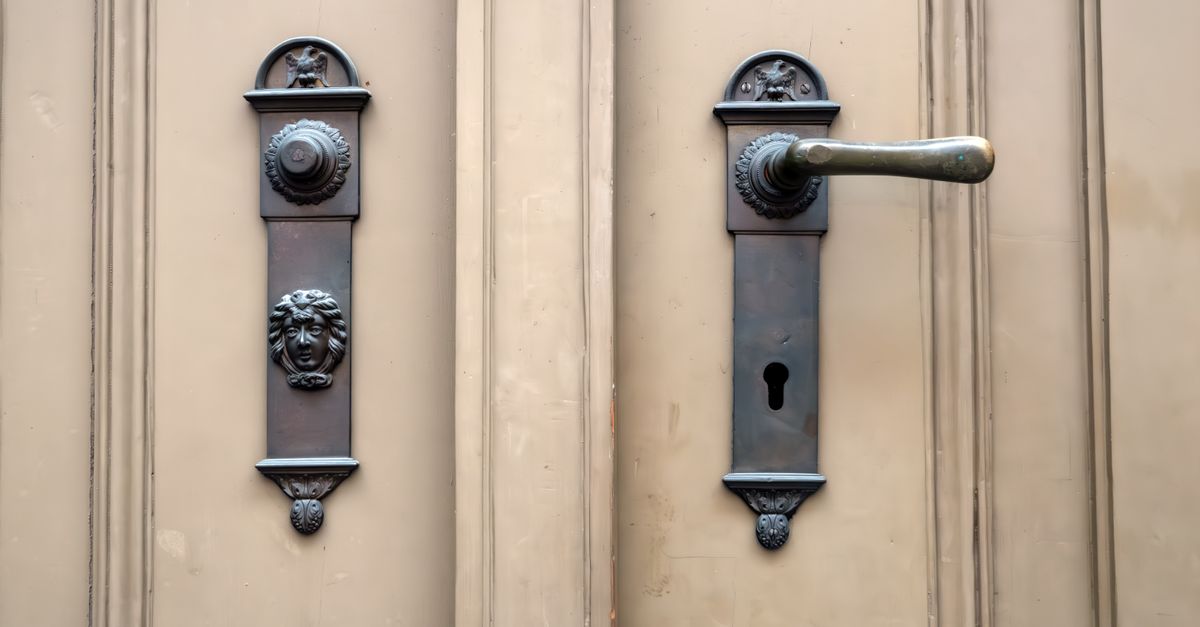
A mortise lock is a lockset where the entire mechanism — latch bolt, deadbolt, anti-rotation guide, and strike reinforcement — is machined into a rectangular steel pocket (the mortise) cut into the door stile. Unlike a bored cylindrical lock that relies on a single 2⅛-inch hole, a mortise lock set distributes load across a 7-to-8-inch case, making it dramatically harder to kick, pry, or compromise under lateral stress. The cylinder (the plug you insert your key into) is a separate, field-replaceable component, which is why a mortise lock cylinder swap takes minutes rather than requiring full hardware replacement when keys are lost or staff turns over.
Commercially specified mortise lock sets — including grades such as Corbin Russwin mortise lock products and Baldwin mortise lock lines — are rated to ANSI/BHMA Grade 1, the highest mechanical duty classification. That matters in Hamilton's climate, too: freeze-thaw cycles through a Chedoke-area winter can warp door frames and stress hardware that isn't built to tolerance. A properly specified and fitted mortise lock maintains smooth operation and full security even when a frame shifts by a millimetre or two over the season.