Why Door Knob Lock Replacement Is More Than a DIY Job
A knob lock that feels loose or grinds when you turn it is already partway to failure. The most common culprits are a worn latch bolt that no longer retracts cleanly, a damaged rose plate letting the cylinder float, or internal springs that have lost tension over years of daily use. In older Hamilton properties — particularly the brick semis and detached homes built between the 1920s and 1960s — door prep dimensions often don't match modern off-the-shelf hardware exactly, meaning an inexperienced swap can leave gaps around the bore hole, misaligned strike plates, and a door that technically closes but doesn't secure. Our technicians carry a range of backset sizes and strike-plate options in the van so the replacement fits correctly the first time, without enlarging the bore or packing the frame.
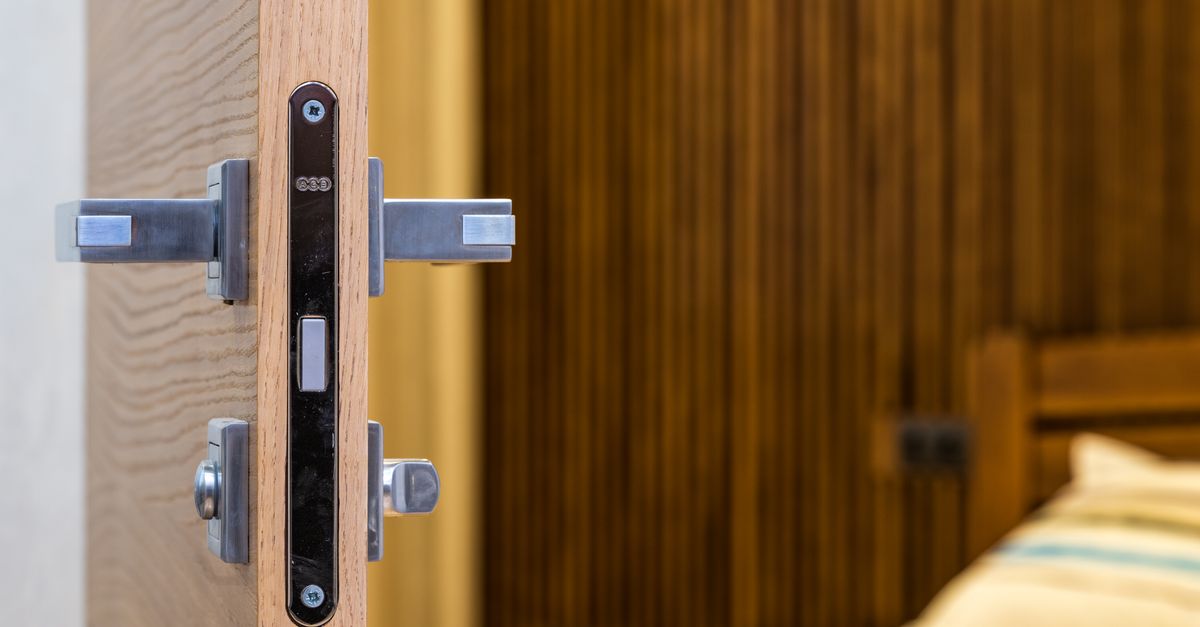
There's also the mortise lock question. Many Hamilton homes and virtually all older commercial properties use a mortise lock body recessed into the door edge, with a separate knob or lever trim on top. Swapping only the knob trim without servicing the mortise lock body beneath it — cleaning, lubricating, or replacing worn components — leaves the core of your security untouched. Maple Guard technicians are experienced in full mortise lock service alongside knob replacement, treating both the trim and the lock body as a single system rather than separate jobs. This is especially relevant for downtown Hamilton office suites, storefronts near King Street, and heritage properties where original mortise hardware is still in place and worth preserving rather than gutting.